Is It Normal for Tattoos to Peel? Here’s the Truth.
Watch a new tattoo peel for the first time, and you might panic. You wonder if the ink is falling out or if something went wrong. Relax.
This reaction is completely normal. Peeling means your skin is healing exactly as it should. Think of it like a sunburn that sheds dead cells to reveal fresh skin underneath.
Your tattoo artist created tiny wounds in your skin. Your body now rushes to repair that damage. The peeling phase is a natural part of that journey.
Understanding what to expect saves you from unnecessary worry. It also helps you avoid common mistakes that ruin tattoos. So let’s break down normal peeling, warning signs, and proper aftercare.
Why Tattoos Peel
Your tattoo artist just created an open wound.
They did this by puncturing your skin thousands of times to deposit ink beneath the surface. Your body now treats the area like any other injury. It rushes to repair the damage and shed dead cells. This natural renewal process pushes old, damaged skin out to make room for fresh, healthy cells.
Peeling is simply your skin sloughing off that top, dead layer. The ink itself stays safely in the deeper dermis layer and won't peel away.
What Normal Peeling Looks Like
Normal peeling resembles a mild sunburn. You will see thin, light flakes of skin coming off.
These flakes might have a small amount of color in them. That color is just stained dead skin, not your actual tattoo falling out.
The area will likely feel quite itchy, which is also perfectly normal. Your tattoo might look dull or hazy under the peeling skin.
This temporary dullness disappears once the healing finishes. Do not worry; the vibrant colors are still there underneath.
When Peeling Starts and How Long It Lasts
For most people, peeling begins a few days after getting inked. You will typically start seeing flakes around days three to five.
Others might not notice significant peeling until the end of the first week. The peeling phase usually lasts for about a week.
After this, your skin will continue to heal fully beneath the surface. Complete healing can take several weeks to a few months for deeper layers.
Warning Signs: When to Call a Doctor
Peeling is normal, but some symptoms signal trouble. Watch for these red flags in your healing tattoo.
Signs of potential infection:
- Excessive yellow, green, or foul-smelling discharge or pus
- Pain that gets worse instead of better over time
- Skin that feels hot to the touch or looks intensely red and swollen
- Large, thick scabs or skin that cracks open and bleeds
A small amount of redness and swelling is normal immediately after tattooing. But it should not spread far beyond the tattoo's edges or feel hot. If you notice any of these concerning signs, contact your tattoo artist right away. They can help you determine if you need to see a healthcare provider.
Do: The Right Way to Care for Peeling Skin
Good aftercare keeps your tattoo bright and infection-free. Your tattoo artist gave you specific instructions for a reason. Follow them closely for the best results.
Essential aftercare steps:
- Keep the area clean but gentle. Wash your tattoo with mild, fragrance-free soap. Use lukewarm water and your clean hands. Do not scrub the peeling skin.
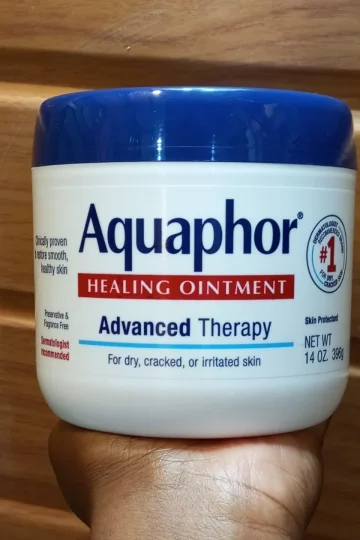
- Moisturize lightly. Apply a thin layer of fragrance-free moisturizer or tattoo balm. Drowning your tattoo in thick cream can clog pores and slow healing.
- Let the skin shed naturally. Never pick, scratch, or pull at peeling flakes or scabs. Removing them by force pulls ink out and can leave permanent scars.
- Protect it from the sun. Keep your healing tattoo completely covered or in the shade. UV rays can burn and permanently fade new tattoos.
- Support healing from within. Eat a balanced diet full of vitamins and drink plenty of water. Your body needs healthy fuel to repair skin cells quickly.
Don't: Common Mistakes That Ruin Tattoos
Avoid these actions that can easily damage your new tattoo.
Actions to avoid:
- Don't pick. This is the most common and damaging mistake people make. Picking pulls ink out and leads to patchy, scarred results.
- Don't scratch the itch. Scratching can introduce bacteria from your fingernails into the wound. A gentle tap or light moisturizer can help soothe the urge.
- Don't soak your tattoo. Avoid swimming pools, hot tubs, baths, and long showers during peeling. Prolonged soaking softens scabs until they fall off too early.
- Don't use harsh products. Stay away from alcohol, hydrogen peroxide, and antibiotic ointments unless a doctor prescribes them. These can dry out the skin and slow cell regeneration.
Wrapping Up
Yes, it is completely normal for a new tattoo to peel. Your skin is simply doing what it does best: healing itself.
The peeling phase is a sign that your body is working correctly. Just be patient and let the process happen without interference. Keep the area clean, moisturized lightly, and protected from the sun.
Most importantly, resist every urge to pick or scratch. If you follow these simple rules, your vibrant new artwork will shine beautifully for a lifetime.