How Long Does it Take for a Tattoo to Heal?
Stop. Read that title again. Most people get this wrong. They think two weeks and done. That is an expensive mistake.
Here is the truth. Your tattoo is an open wound. Not for a few days. For months. The surface might look fine by week three. The deeper layers are still rebuilding. They are still vulnerable.
I talked to artists across the country for this article. I read aftercare guides from busy shops in Chicago, Fort Myers, and Honolulu. Everyone agrees on one thing. Two weeks is surface healing. Six months is real healing. Treat your tattoo accordingly.
Let me walk you through the exact timeline. No fluff. Just the facts.
The Three-Phase Truth Nobody Tells You
Your tattoo heals in three distinct stages. The first stage is surface healing. This takes two to four weeks. The second stage is deep healing. This takes three to six months. The third stage is long-term settling. This takes up to a full year for some skin types.
Here is the problem. Your tattoo looks fine after a month. So you stop caring for it. You go swim. You skip sunscreen. You pick at nothing because there is nothing to pick. But deep inside your skin, the ink is still moving. Collagen is still rebuilding. Your immune system is still working.
Treat a one-month-old tattoo like a fresh wound. That is the safe play.
Week One: The Bleeding, Oozing, Swelling Phase
Day zero starts in the tattoo chair. Your artist wraps the fresh wound. They might use a clear medical bandage like Saniderm or Tegaderm. This stays on for one to three days. Do not remove it early.
On day one, expect redness. Expect swelling. Expect tenderness. Your tattoo will leak plasma mixed with ink. This looks scary. It is normal. Your body is sending immune cells to the site. This is good.
On day two and three, the oozing slows down. Light scabbing begins. Do not panic if the tattoo looks dull under the bandage. That is just fluid buildup. When you finally remove the bandage, wash the tattoo gently. Use lukewarm water. Use fragrance-free antibacterial soap. Pat dry with a paper towel. Never use a cloth towel. It holds bacteria.
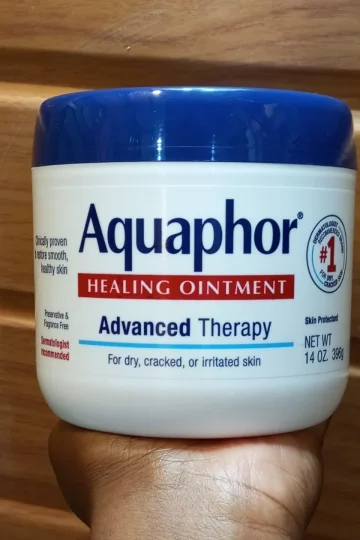
Apply a thin layer of tattoo-specific ointment. A little goes a long way. Your skin needs air. Too much ointment traps heat and moisture. That breeds bacteria.
By day four to seven, the tattoo feels tight. It looks shiny. Some people call this the "onion skin" phase. Do not pick at anything. Do not scratch. Your body knows what to do.
Week Two and Three: The Itchy, Peeling, Flaking Nightmare
Welcome to the hardest part. Your tattoo will start to peel. It will flake like a bad sunburn. It will itch like poison ivy. This is a good sign. It means the surface is closing.
But here is the rule. Do not pick. Do not scratch. Do not peel loose skin. Picking pulls pigment out of the dermis. It creates scars. It can cause patchy, uneven color that never fixes itself.
Instead, switch from ointment to a light, fragrance-free lotion. Apply a thin layer two to three times daily. Keep the tattoo clean. Wash it once or twice a day. Pat it dry.
Stay out of pools. Stay out of hot tubs. Stay out of lakes and oceans. No long baths. No soaking. Showers are fine. Keep them short. The water softens scabs. Soft scabs fall off early. Early scabs take ink with them.
What about the gym? Light exercise is fine after day ten. But heavy sweating irritates the skin. If you must work out, clean the tattoo immediately after. Wear loose, breathable clothing. Friction is your enemy.
Week Four to Six: The "Why Does My Tattoo Look Terrible?" Phase
Look at your tattoo now. It might look faded. Cloudy. Blurry. The colors might seem dull. The lines might look soft. Do not panic. This is completely normal.
Here is what is happening. The outer layer of your skin is finishing its job. But the deeper layer is still rebuilding. Light diffuses differently through healing skin. Your tattoo is not ruined. It is just not finished.
Keep moisturizing daily. Once your artist says it is safe, start using SPF 30+ sunscreen. The sun is your tattoo's worst enemy. UV rays break down pigment cells faster than anything else. A few hours in the sun can undo weeks of careful healing.
Do not exfoliate. Do not use harsh soaps. Do not scrub the area. Be gentle. Be patient.
Month Two to Six: The Deep Healing Finish
Your tattoo feels smooth now. It looks mostly normal. You might think you are done. You are not.
Below the surface, your immune system is still working. It is clearing out ink byproducts. Collagen is reorganizing around the pigment. The skin's deeper layers are still stabilizing. This takes time.
By month four, you will start to see the true colors. The tattoo will look brighter. The lines will look sharper. By month six, the tattoo is fully settled. This is your final result.
What should you do during this time? Daily moisturizer. Sunscreen every single time you go outside. That is it. Long-term care is simple. Keep the skin healthy. Avoid sunburns. Limit intense friction.
What Makes Your Heal Faster or Slower?
Location matters most. Areas with good blood flow heal fastest. Think upper arms. Thighs. Back. These are the champions. Slow healers include hands, feet, ribs, elbows, and knees. These spots move constantly. Clothing rubs against them. Friction slows everything down.
Size matters too. A small, simple line tattoo heals quicker than a large, full-color sleeve. Heavy black work means multiple needle passes over the same skin. More trauma means longer healing. That is just physics.
Your body plays a role. Young skin heals faster than old skin. Healthy bodies heal faster than run-down ones. Hydration helps. Sleep helps. Good nutrition helps. Stress slows healing. Smoking slows healing. Alcohol slows healing.
Your aftercare routine decides everything. Good care keeps healing on track. Bad care doubles the timeline. Over-moisturizing breeds bacteria. Under-moisturizing causes cracking. Picking at scabs resets the healing clock. Do not do any of this.
The Red Flags You Cannot Ignore
Normal healing gets better every day. Infection gets worse. Watch for these signs.
Red streaks spreading from the tattoo. This is not normal. Pus that is yellow, green, or smells bad. This is not normal. A fever over 102°F. This is not normal. Swelling that keeps growing after day three. This is not normal. Pain that gets worse instead of better. This is not normal.
Call your artist immediately. See a doctor if symptoms are severe. Do not wait. An infected tattoo is a medical issue. It will not fix itself.
Allergic reactions are less common but real. Red ink causes the most problems. Look for raised, itchy bumps that will not stop. A rash spreading beyond the tattoo. Swelling that gets worse after day three. Contact your artist if you see these signs.
The "Tattoo Flu" Is Real And Here Is What It Means
You might feel tired after a long session. Maybe a mild fever. Body aches. Chills. A headache. This is called "tattoo flu." It sounds scary. It is usually just your immune system working hard.
Your body is responding to a controlled injury. The immune system kicks into overdrive. This takes energy. That energy has to come from somewhere. You feel drained. That is normal.
Drink plenty of water. Get good sleep. Eat balanced meals with protein and vitamins. Rest for a day or two. The symptoms should pass quickly. If they get worse or last longer than 48 hours, call a doctor.
Your Simple Aftercare Cheat Sheet
Days 1 to 3:
- Keep the initial bandage on as long as your artist says
- Wash twice daily with antibacterial soap
- Pat dry with paper towels
- Apply thin layer of ointment
- No soaking. No tight clothing.
Days 4 to 14:
- Switch to light, fragrance-free lotion
- Wash once or twice daily
- Do not pick. Do not scratch. Do not peel.
- Stay out of pools, hot tubs, lakes, and oceans
- No direct sun. Cover the tattoo with clothing.
Days 15 to 30:
- Keep moisturizing daily
- Start SPF 30+ sunscreen if your artist says yes
- The tattoo may look dull or cloudy. Be patient.
- No exfoliating. No harsh soaps.
Months 2 to 6:
- Resume all normal activities
- Use daily lotion
- Always wear sunscreen on the tattoo
- Wait for final colors to settle
A Word About Placement From Real Shop Experience
Artists see patterns every day. Upper arm tattoos heal fastest. Clients report smooth healing in three to four weeks. Thigh tattoos are almost as fast. Good blood flow. Less movement. Easy aftercare.
Rib tattoos are slow. Breathing causes constant motion. Clothing rubs against the area. Expect five to six weeks for surface healing alone. Hand and finger tattoos are the slowest. You use your hands for everything. Friction is constant. Surface healing often takes six weeks or more. Deep healing takes even longer.
Feet are also slow. Socks rub. Shoes rub. Walking creates constant movement. Plan for extra time. Plan for extra care.
Wrapping Up
Stop looking for shortcuts. Your tattoo needs time. Surface healing takes two to four weeks. Full deep healing takes three to six months. You cannot rush this. Your body sets the pace.
Here is what works. Keep the tattoo clean. Keep it moisturized but not wet. Protect it from the sun. Do not pick at anything. Do not scratch. Do not soak. That is it. Everything else is noise.
Your artist did the hard part in the chair. Now you do the aftercare at home. Do it right, and your tattoo looks great for decades. Cut corners, and you will see the results in faded, patchy, scarred skin.
The choice is yours. Heal smart.