22 Choppy Bob Hairstyles That Add Real Volume to Fine Hair
Fine hair and choppy cuts have a complicated history. Most stylists will tell you the issue isn't layers themselves but where the chopping happens. Interior chops add lift without thinning the perimeter. Exterior choppy ends keep the hemline looking dense from the front. That distinction matters more than any product or technique. The bobs below all use choppy texture to build apparent thickness. None of them expose how little hair is actually there. A few work better with bangs. A couple need salt spray to come alive. One or two depend entirely on how the back is layered.
Jump to:
- Chin-Length Choppy Bob With Piecey Ends
- Jaw-Grazing Choppy Bob With Curtain Bangs
- Textured French Bob With Micro Fringe
- Stacked Choppy Bob
- Asymmetrical Choppy Bob
- Choppy Bob With Wispy Bangs
- Nape-Length Choppy Bob
- Choppy A-Line Bob
- Tousled Wavy Choppy Bob
- Choppy Bob With Deep Side Part
- Choppy Italian Bob
- Choppy Bob With Sliced Layers
- Choppy Bob With Face-Framing Layers
- Choppy Bob With Money Piece
- Inverted Choppy Bob
- Bedhead Choppy Bob
- Choppy Bob With Bottleneck Bangs
- Choppy Bob With Babylights
- Blunt-Bottom Choppy Bob
- Choppy Pixie Bob
- Graduated Choppy Bob
- Soft Choppy Bob
Chin-Length Choppy Bob With Piecey Ends
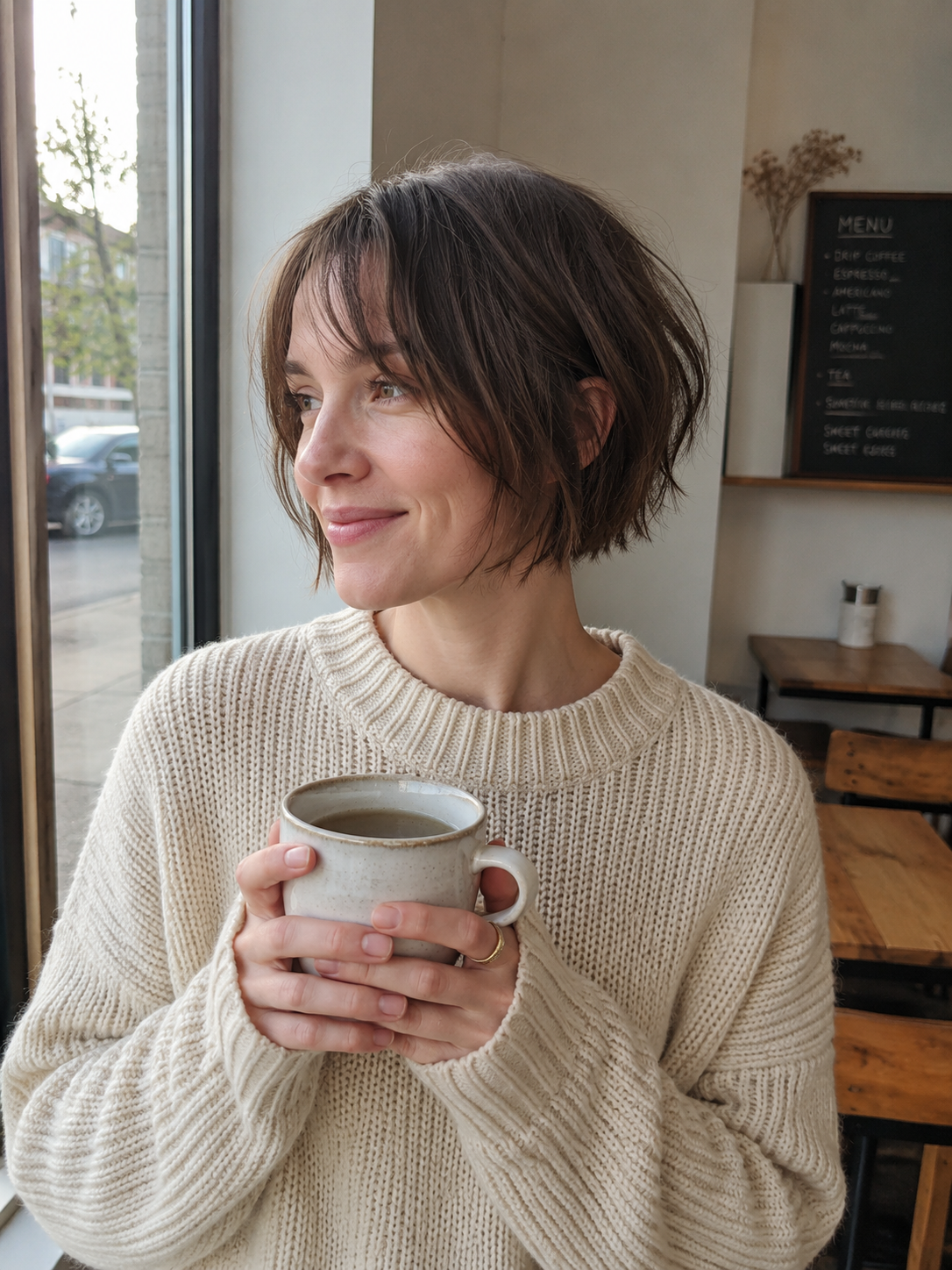
The chin-length cut sits at the most forgiving spot on the face, and piecey ends keep the silhouette from looking heavy at the bottom. Ask your stylist to point-cut the last inch or two so the ends shatter slightly rather than blunt off. Texture spray worked into damp ends and finger-dried gives the right amount of separation. Fine hair holds this shape for days before needing a refresh.
Jaw-Grazing Choppy Bob With Curtain Bangs

Curtain bangs split at the center and sweep outward, which softens the jawline without the commitment of a heavier fringe. The jaw-grazing length keeps everything in proportion. Have the choppy texture worked through the back and sides equally so the bangs don't carry all the movement. A round brush flicked outward on the bangs, then a quick blast of cool air, will set them in place for the day.
Textured French Bob With Micro Fringe
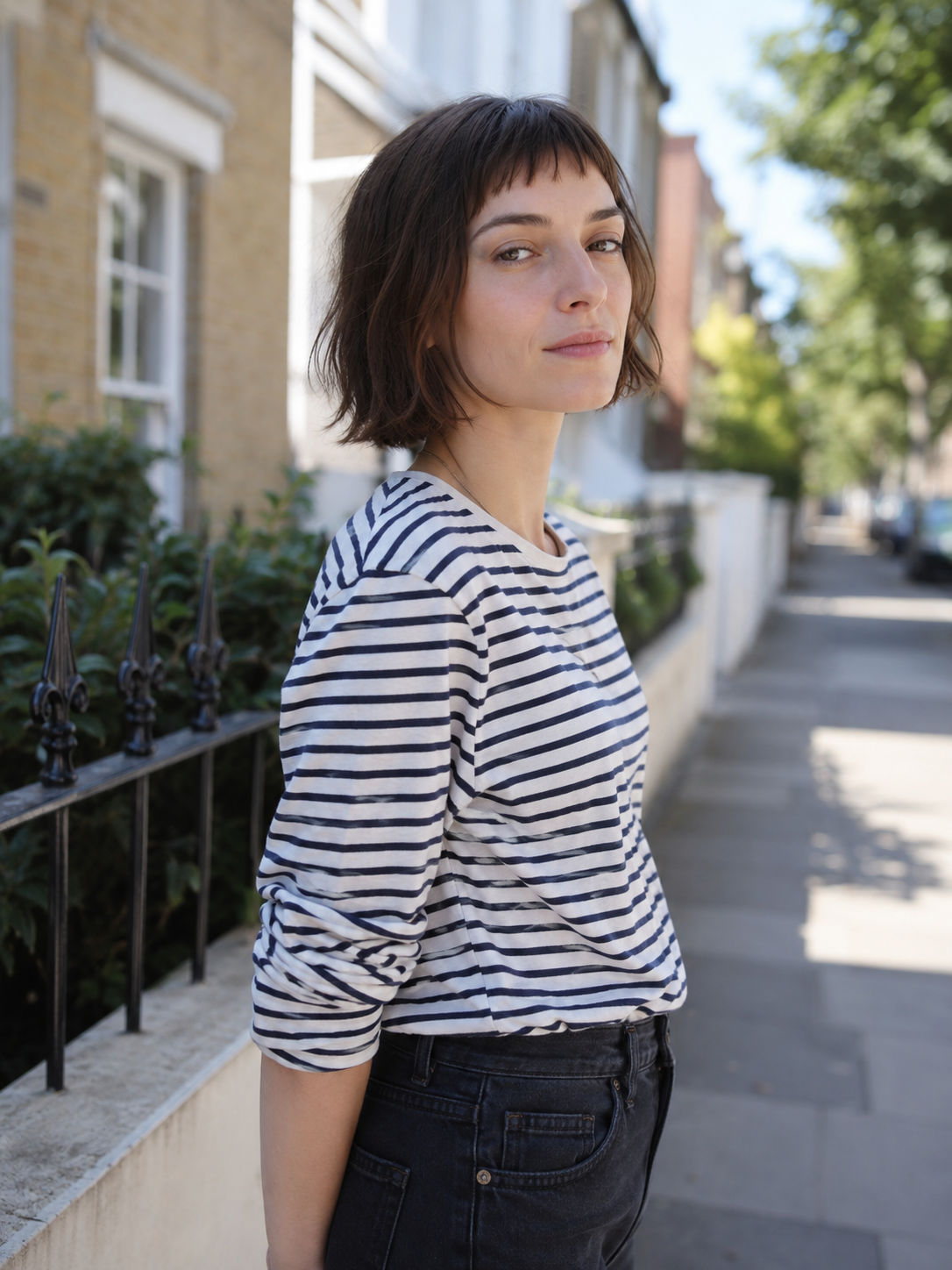
French bobs hit just below the chin and lean into a slightly undone, lived-in quality that flatters fine hair beautifully. The micro fringe sits high on the forehead and adds a graphic element without weighing anything down. Air-drying with a leave-in spray and scrunching periodically gives the natural movement this cut wants. Skip the iron entirely. Heat tools flatten the texture that makes the cut work in the first place.
Stacked Choppy Bob

Back-stacked layers create height at the crown, which is exactly what fine hair tends to lose first. The front sections stay longer, so the silhouette feels angled rather than blunt. A small round brush rolled under at the nape during blowdrying locks in the stack. Mousse applied to damp roots and lifted with fingers gives the volume staying power. Best on hair that's straight or has a slight natural bend.
Asymmetrical Choppy Bob
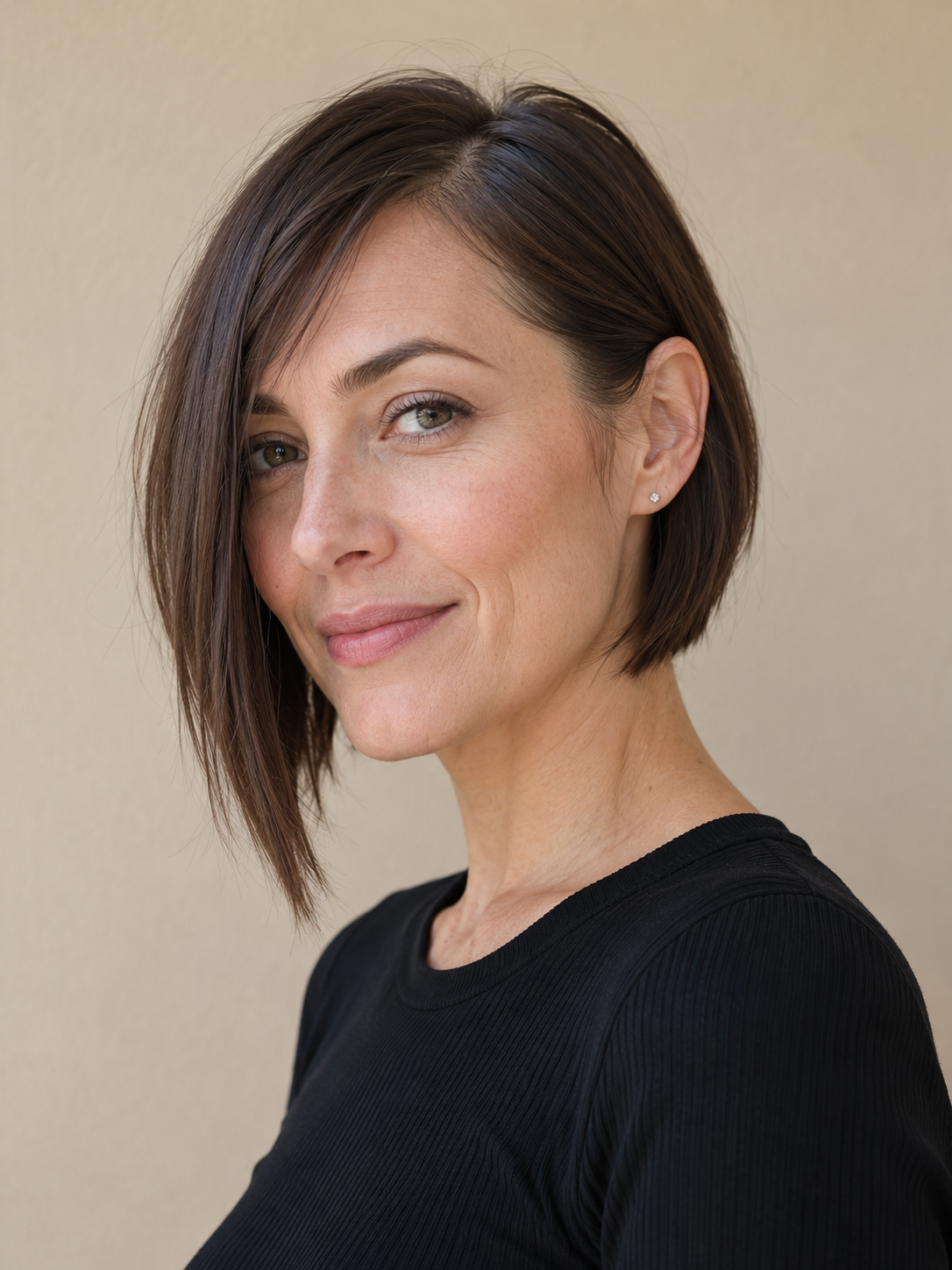
One side falls past the jaw while the other tucks closer to the ear. This visual asymmetry draws the eye and disguises any thinness at the temples. The choppy texture runs through both sides but more aggressively on the longer side. Style with a deep side part and a light texture cream worked through midshafts. Tucking the shorter side behind one ear emphasizes the cut even more.
Choppy Bob With Wispy Bangs

Wispy bangs differ from regular fringe by sitting lighter and more separated, almost feathered. They soften the forehead without bulk, which is critical when working with fine hair. Pair them with a chin-length choppy bob and ask your stylist to texturize the bangs with point cutting. A small bit of texture cream warmed between fingers and pressed through the bangs keeps them piecey rather than fluffy.
Nape-Length Choppy Bob
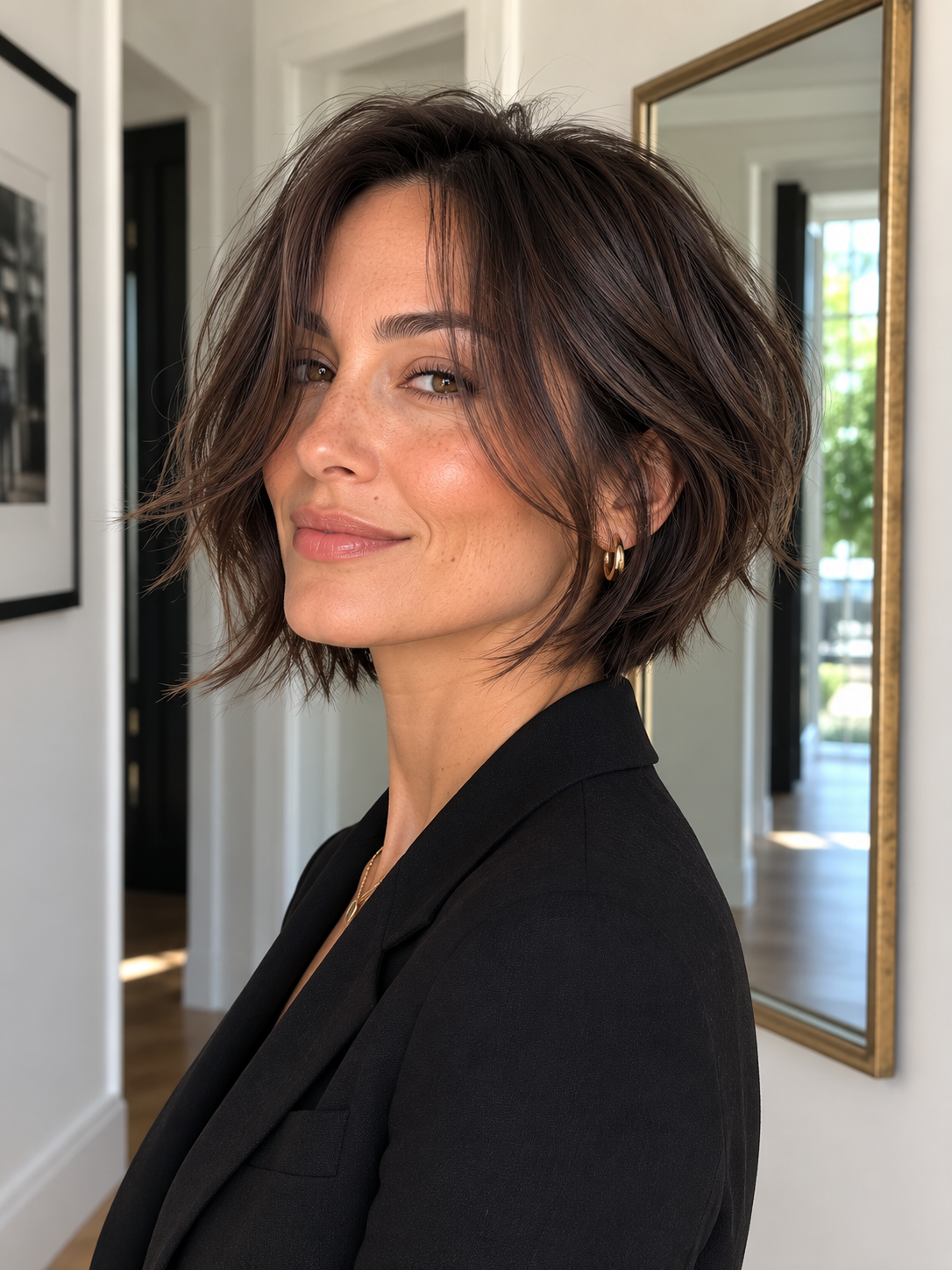
Cutting all the way up to the nape exposes the neckline and gives the cut a more architectural feel. The interior layers stay short to build volume through the back, while the front sits slightly longer to frame the face. This version benefits from a strong undercut feel without an actual undercut. Style with a paste worked through the back and a flat brush smoothing the front sections.
Choppy A-Line Bob
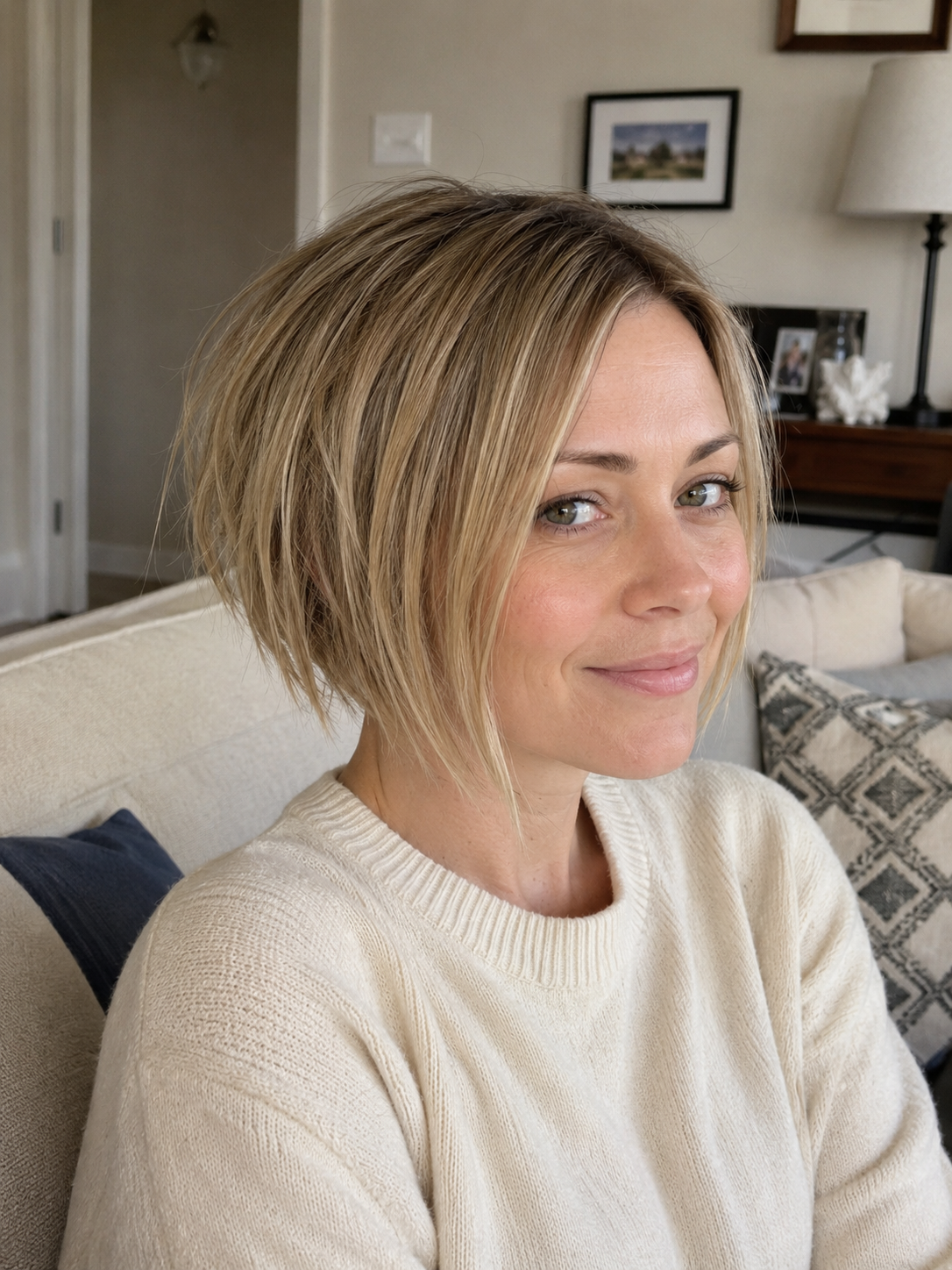
An A-line angles from shorter in the back to longer in the front, which stacks weight where fine hair needs it most. The choppy texture concentrates through the back interior and around the face, leaving the perimeter relatively clean. Blowdrying with a round brush rolled forward gives the shape its lift. A finishing spray with light hold rather than firm hold keeps the silhouette soft.
Tousled Wavy Choppy Bob
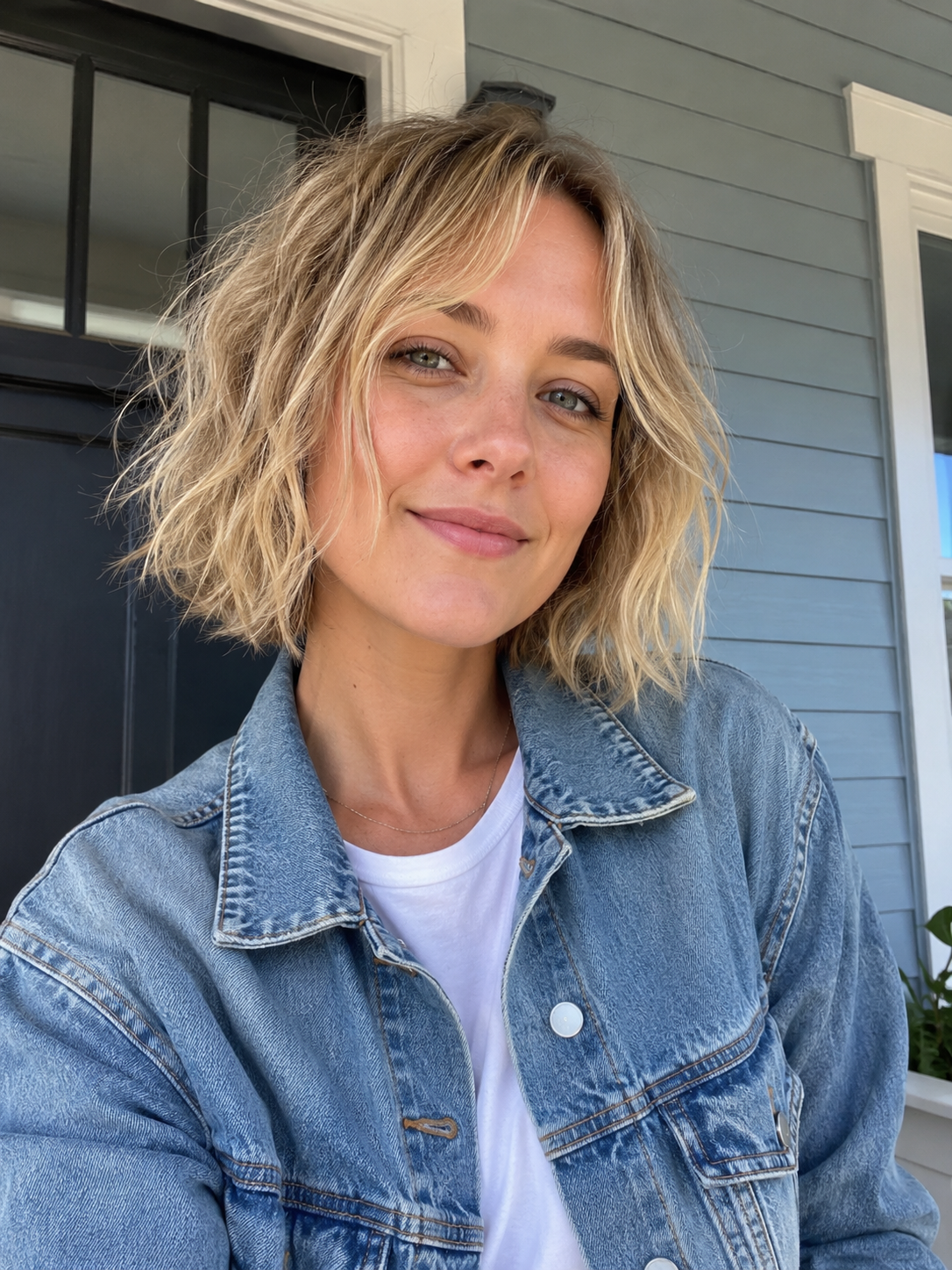
Sea salt spray on damp hair, scrunched in sections, then air-dried gives fine hair a tousled wave pattern that looks deliberately undone. The choppy ends are essential here because waves on blunt fine hair tend to fall flat. Keep the length at the jaw or just below. Avoid any product heavier than a mousse. Twist a few face-framing pieces around a curling wand at the end for definition.
Choppy Bob With Deep Side Part
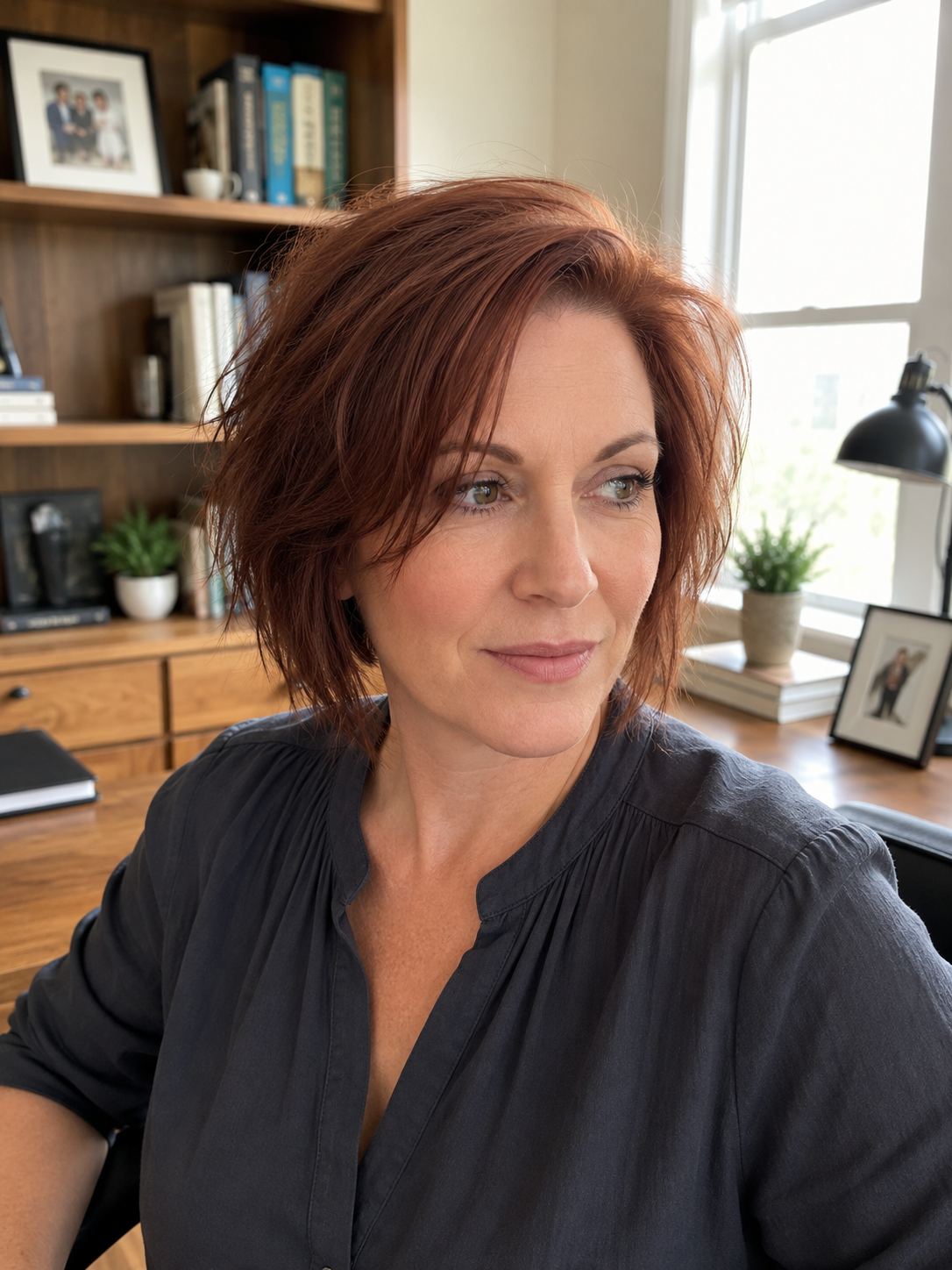
A deep side part shifts weight to one side of the head, which creates instant lift at the root. The choppy texture should be more pronounced on the heavier side to balance the volume. Backcomb gently at the root closest to the part before settling everything in place with a light hairspray. This works particularly well on hair that's been blunt-cut at the perimeter with interior choppy layers.
Choppy Italian Bob
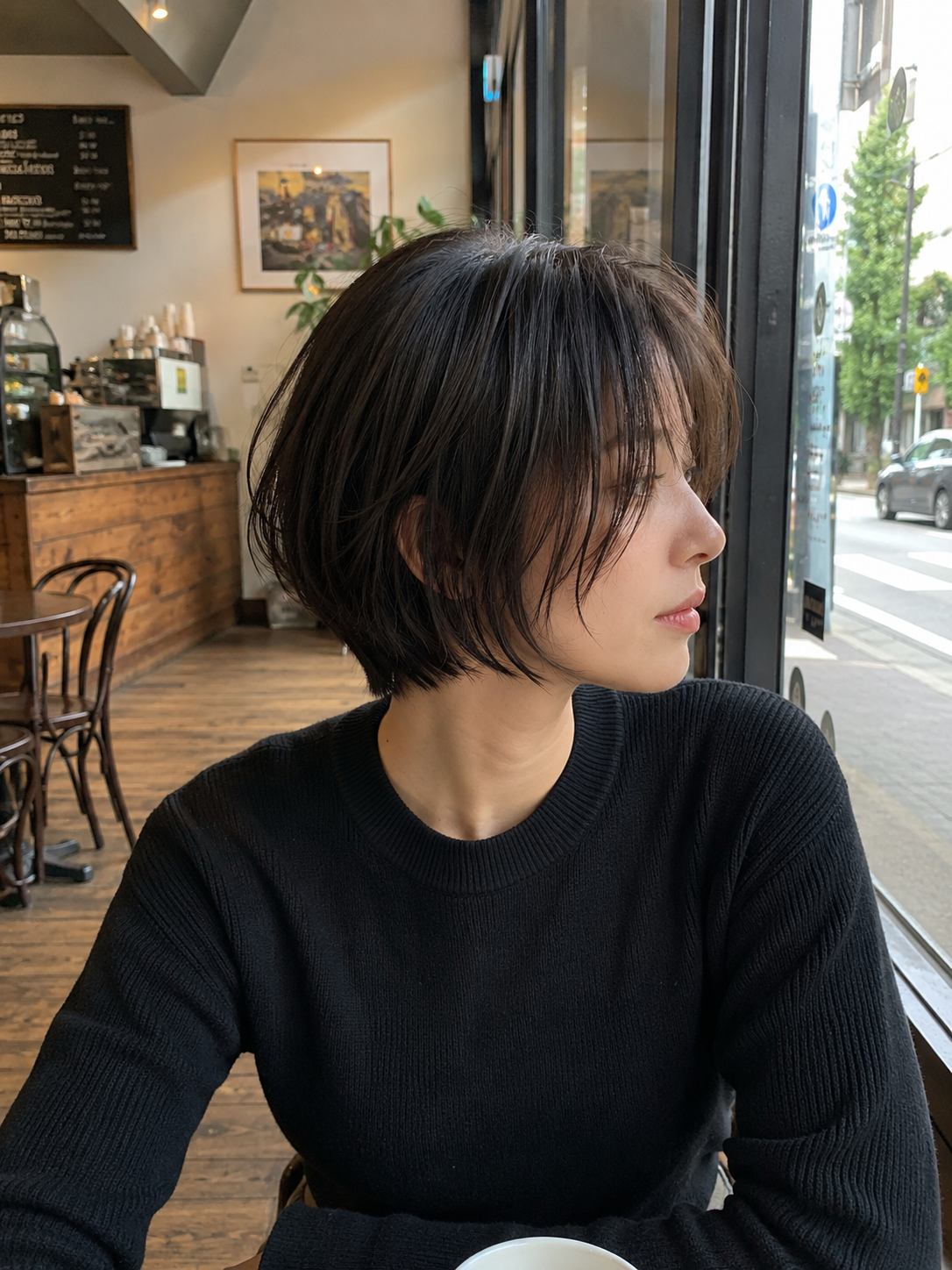
Italian bobs sit shorter than a classic bob, usually around the ear. The shape is rounded with slight graduation through the back. Adding choppy texture makes it work for fine hair. The original rounded silhouette tends to struggle on its own. Skip the part entirely and let the hair fall naturally forward. A small amount of texture cream pressed through midshafts gives the finish without flattening the round shape.
Choppy Bob With Sliced Layers

Sliced layers differ from traditional layers because the cutting technique keeps the hair density intact while still creating movement. The result is a choppy effect on the surface with a dense baseline underneath, which is exactly what fine hair wants. Style with a leave-in spray and dry naturally for the cleanest finish. Avoid heavy creams or pomades. They weigh the sliced sections down and undo the visual effect.
Choppy Bob With Face-Framing Layers

Face-framing layers cut shorter than the rest of the bob and angle toward the cheekbones. The shape draws attention forward and away from any sparse areas at the temples. These layers should be choppy at the ends rather than wispy, since wispy can look thinner. Have your stylist start the framing at the cheekbone and graduate it down. Curl the framing pieces away from the face with a flat iron for shape.
Choppy Bob With Money Piece

Money piece highlights brighten the front two sections of hair around the face. The effect creates instant dimension without committing to all-over color. On fine hair, this contrast tricks the eye into perceiving more density at the most visible part of the cut. Keep the highlights soft and lived-in rather than stark. A few applications of toning shampoo every couple weeks maintains the tone without the salon trips.
Inverted Choppy Bob

Inverted bobs run shorter at the back and longer at the front. The back is sometimes shaved close at the nape and graduates up from there. The choppy texture lives in the longer front sections, where it has room to move. Style by blowdrying the back smooth and tight to the head, then working texture spray through the front. The contrast between the two sections creates the architectural look this cut is known for.
Bedhead Choppy Bob

Bedhead styling on a choppy bob looks unstudied but takes a few minutes of work. Start with damp hair and a salt spray. Rough-dry by flipping the head upside down and finger-combing as it dries. Flip back up and gently shake the hair into place. A bit of dry texture spray at the roots locks in the lift. This works best on cuts with interior layering rather than blunt perimeter.
Choppy Bob With Bottleneck Bangs

Bottleneck bangs are shorter and tighter in the center, then sweep outward and longer at the edges. The shape resembles the neck of a bottle. They suit fine hair because the silhouette adds visual weight to the forehead area. Pair with a chin-length choppy bob for balance. Style the bangs with a round brush rolled under at the center and outward at the edges for definition.
Choppy Bob With Babylights

Babylights are thinner, more delicate highlights painted in fine sections to mimic natural sun-lightened hair. On a fine-haired choppy bob, they create a multi-tonal effect that adds apparent depth without any color line or harshness. The technique requires a colorist who works in slow, painted sections rather than foiled blocks. Use a purple-toning shampoo monthly if the babylights pull warm over time.
Blunt-Bottom Choppy Bob

Some fine hair benefits more from a blunt baseline than full choppy ends. This version keeps the bottom perimeter cut straight across while concentrating the choppy texture through the interior and surface layers. The result looks denser at the hem while still having movement on top. Style with a flat iron for the bottom and texture spray for the surface. This combination flatters most face shapes.
Choppy Pixie Bob

Pixie bobs hover between the two named cuts, typically chin-length in the front and pixie-short in the back. The choppy texture sits throughout, with longer wispy pieces near the ears and a textured top. Style by working a small amount of pomade through the back and finger-styling the front into place. This requires regular salon visits to maintain the shape. Six weeks between trims is the standard interval.
Graduated Choppy Bob

A graduated bob builds a stacked shape through the back. The structure gives fine hair the illusion of more volume without any styling tricks. The choppy texture concentrates through the graduated section, with the front kept slightly cleaner. Round brush blowdrying through the back, rolling the brush forward at the nape, sets the graduation in place. The shape almost styles itself once the cut is done correctly.
Soft Choppy Bob

Not every fine hair situation calls for aggressive choppy texture. A softer version uses point cutting and minimal layering, just enough to break up the baseline without removing any density. The cut still feels modern but looks gentler against the face. Style with a leave-in conditioner and a flat brush, letting the hair air-dry the rest of the way. This is the version stylists recommend most often for fine, thinning, or aging hair.