24 Hairstyles That Solve Thin Fine Hair After 50 in 2026
There's a useful distinction most hair articles skip. Thin and fine aren't the same thing. Fine refers to individual strand width. Thin refers to density, meaning how many strands are actually on your head. Most women over 50 deal with both because aging affects both at the same time. The styles below address both issues simultaneously through cut technique, layering location, color placement, and styling. Some prioritize crown lift to compensate for the density loss. Others use blunt baselines or textured finishes to fake fullness. A few depend almost entirely on color to create the visual depth thin fine hair lacks. One or two work only with the right blow-dry routine.
Jump to:
- Layered Pixie With Crown Volume
- Chin-Length Blunt Bob
- Bixie
- Shoulder-Length With Curtain Bangs
- Stacked Graduated Bob
- Wispy Pixie With Soft Bangs
- Soft Shag
- Collarbone Lob With Internal Layers
- Pixie With Babylights
- Shoulder-Length With Money Piece
- A-Line Lob to Shoulders
- Tousled Wavy Bob
- Pixie With Side-Swept Bangs
- Shoulder-Length With Soft Beachy Waves
- Asymmetrical Bob
- Layered Lob With Face-Framing Layers
- Sleek Chin-Length Blunt Cut
- Pixie With Grey Blending Highlights
- Tapered Pixie
- Shoulder-Length With Side Part
- Choppy Bob With Sliced Layers
- Soft Layered Pixie
- Shoulder-Length With Highlights and Lowlights
- French Pixie
Layered Pixie With Crown Volume
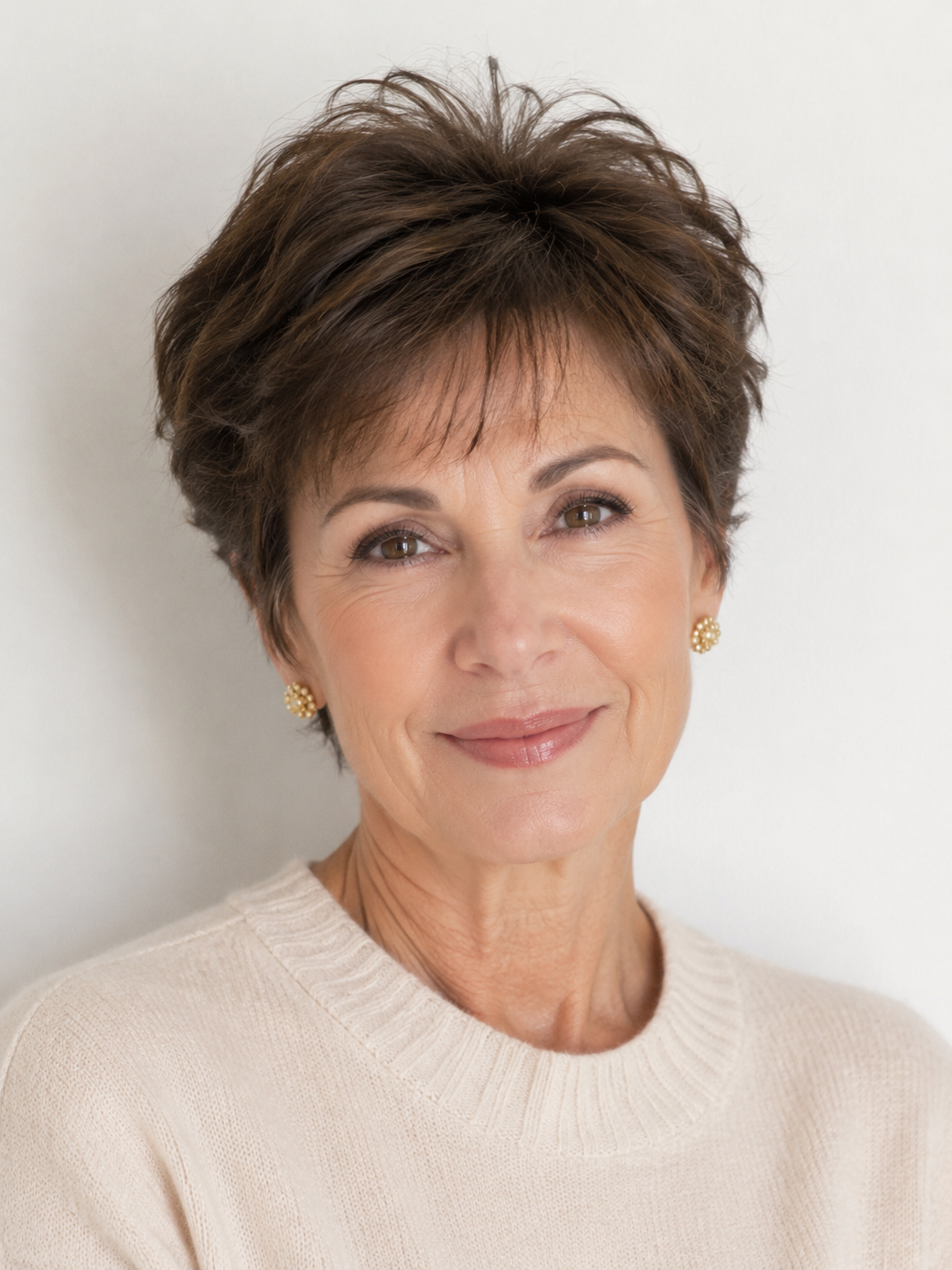
The pixie that solves thin fine hair after 50 keeps the top longer with layering concentrated specifically at the crown. Tapered sides keep the perimeter clean while the crown does the volume work. Style by blowing dry upside down for root lift, then flipping back and finger-styling. A volumizing mousse worked into damp roots gives the lift staying power. The shape itself does most of the work once cut correctly. This is the foundational pixie variation for this demographic.
Chin-Length Blunt Bob
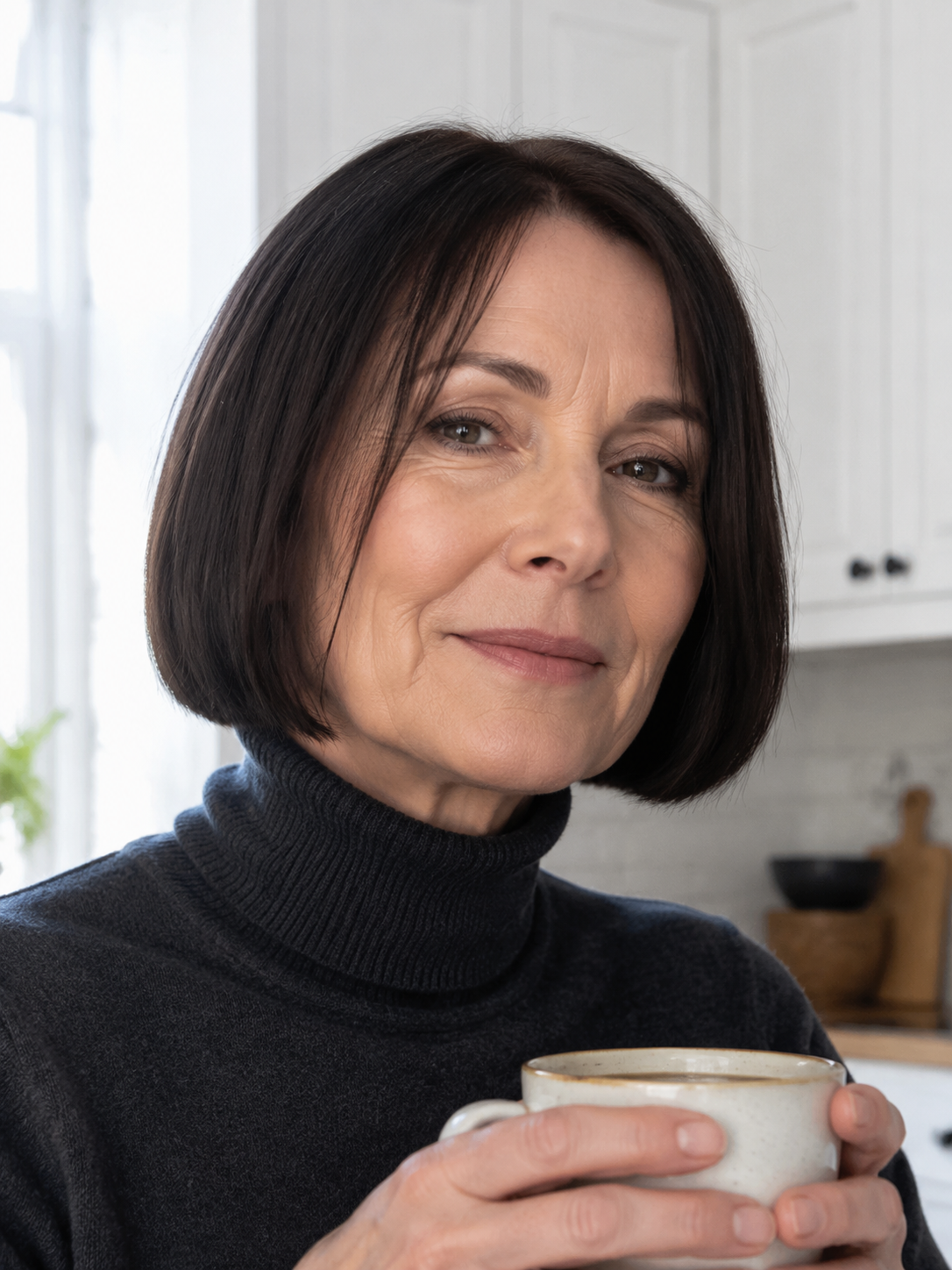
A blunt baseline cut at chin length creates a dense visual line that fakes density at the hem. The squared-off perimeter suggests fullness even when actual density is low. Skip all layering for this version. Style with a flat iron for crisp ends and a small amount of smoothing serum applied to ends only. The bob is one of the most polished options on this list and works particularly well for professional settings.
Bixie
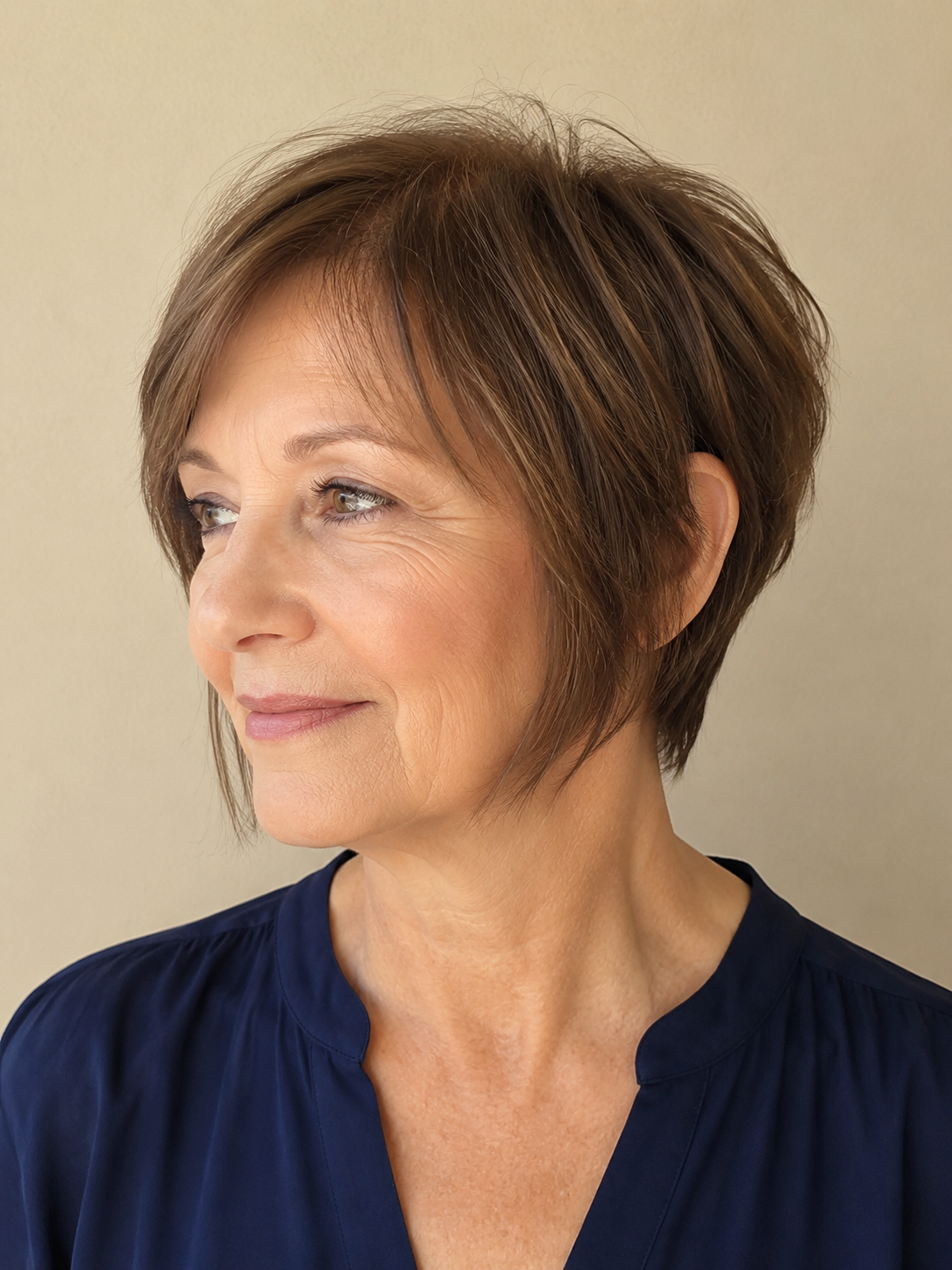
The bixie blends bob and pixie, with chin-length front pieces graduating to pixie-short at the back. The hybrid gives thin fine hair more styling versatility than either parent cut alone. Style with leave-in conditioner scrunched through damp hair and air-dried. The cut works well with natural texture and reads contemporary without being aggressive. Best for women who want short but aren't committed to going fully pixie.
Shoulder-Length With Curtain Bangs

Shoulder-length hair with curtain bangs splitting at the center and sweeping outward toward the cheekbones balances the silhouette beautifully. The bangs add visual weight to the front where thin hair often loses fullness first. Style the bangs with a round brush rolled outward, then set with a light hairspray. This combination flatters most face shapes and offers the most familiar length without the limp problem.
Stacked Graduated Bob

A stacked bob builds structure through the back with shorter graduated layers, creating apparent height where thinning crowns lose density. The front stays slightly longer to frame the face. Style by blowdrying the back with a small round brush rolled forward, then smoothing the front. This is one of the most effective volume-building bobs for women over 50 with thin fine hair specifically.
Wispy Pixie With Soft Bangs

A wispy pixie uses delicate piecey ends throughout, with soft feathery bangs across the forehead. The lightness suits fine hair because dense styles can read flat as the day progresses. Style with a small amount of texture cream warmed between fingers and pressed through. This version reads gentle and feminine, ideal for women who want softness rather than the edgy direction modern pixies sometimes lean.
Soft Shag
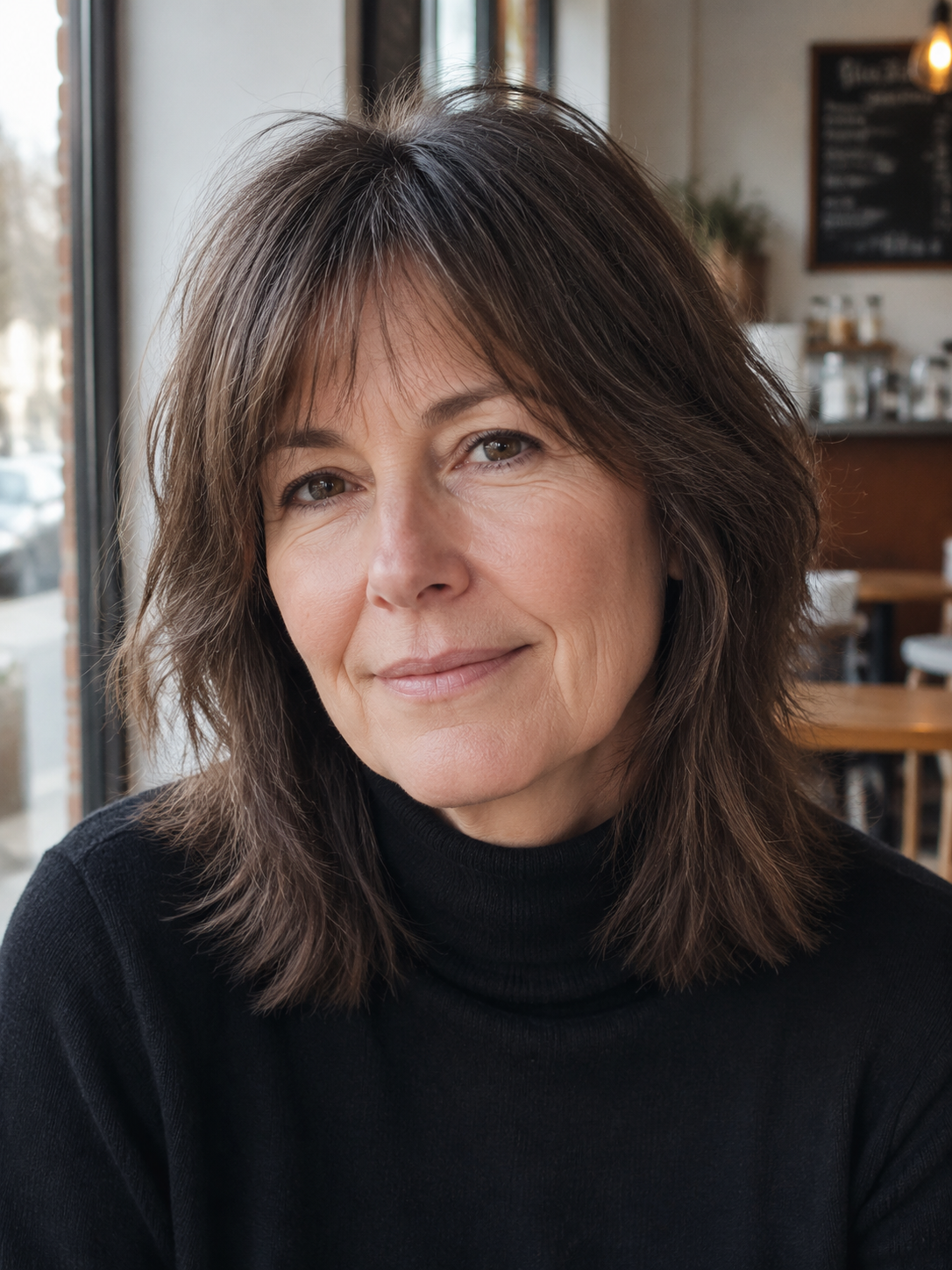
The modern shag concentrates layering through the interior and crown while keeping the perimeter at the shoulder line. Today's shags are gentler than the heavily razored versions of decades past. Style with a leave-in spray and rough-dry by flipping the head upside down. Finish with finger combing. The cut adds visible volume where thin fine hair loses it first and works particularly well for women comfortable with deliberately tousled finishes.
Collarbone Lob With Internal Layers
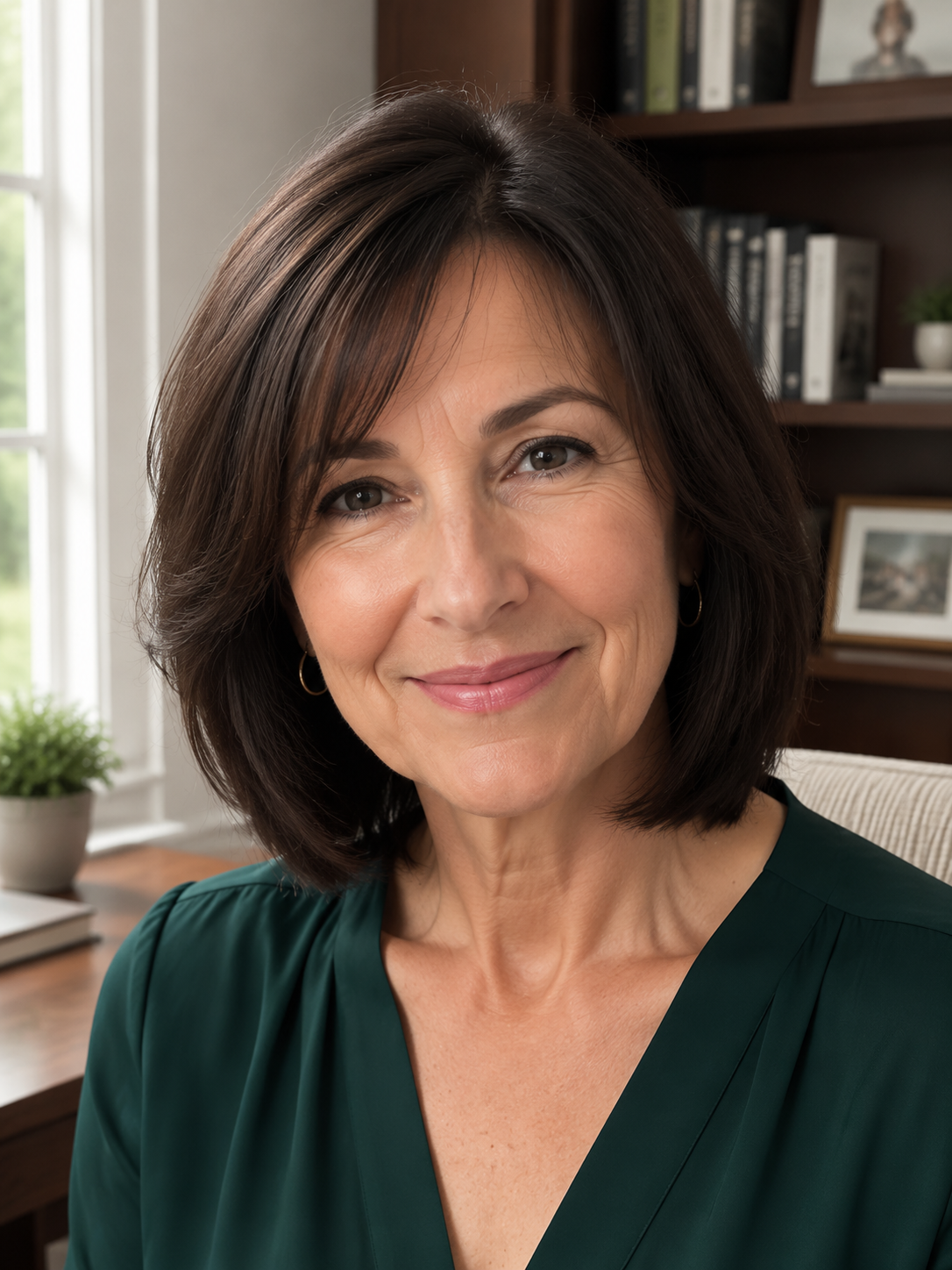
The collarbone lob sits just above the shoulders with internal layering concentrated at the crown for lift. The perimeter stays strong and weighted. Ask your stylist to hide all layering work inside, keeping the bottom clean. Style by rough-drying upside down for root lift, then smoothing with a round brush. The shape grows out gracefully and offers length without the limp problem of longer thin hair.
Pixie With Babylights
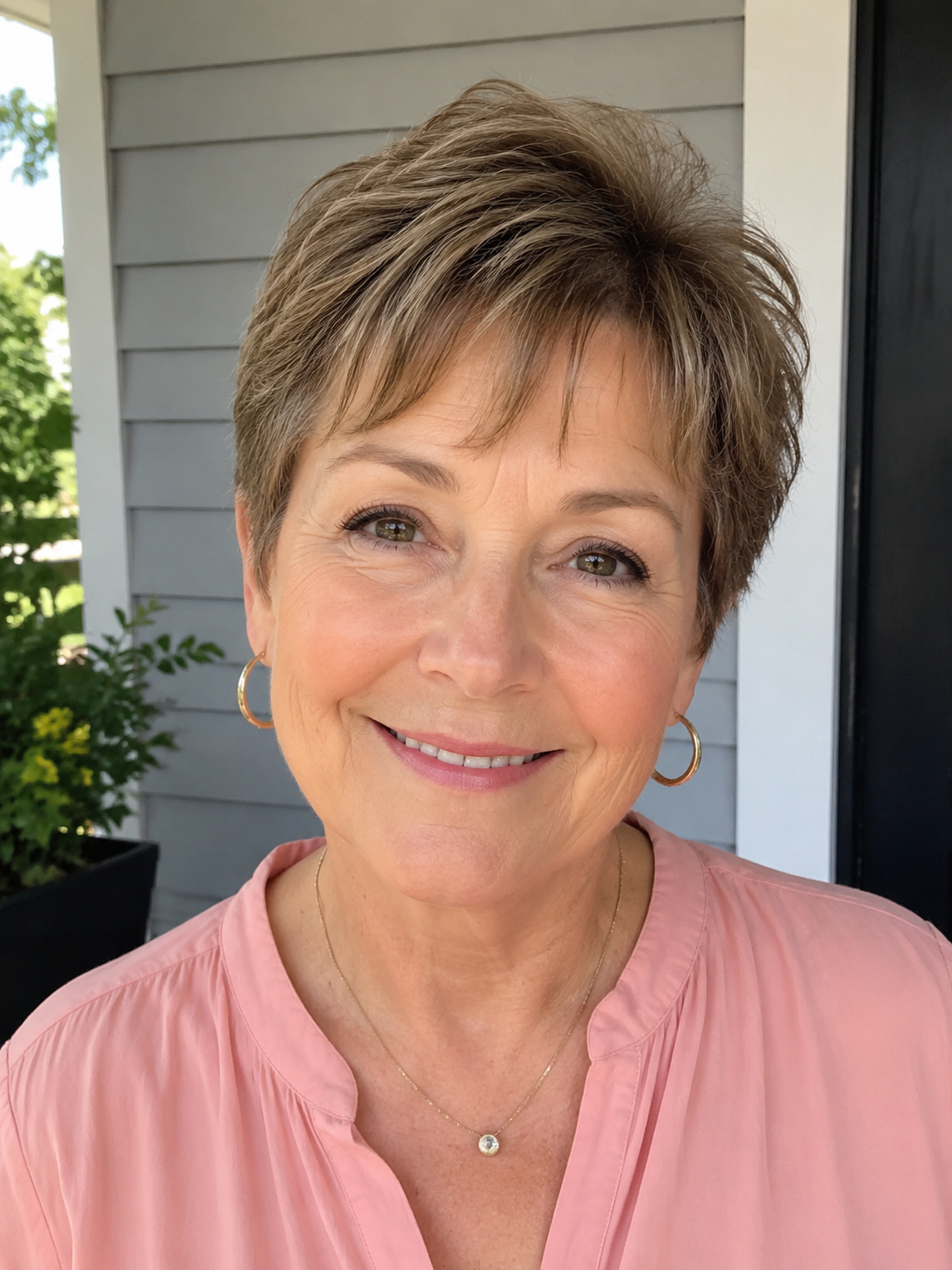
Babylights are ultra-fine highlights painted in delicate sections to mimic naturally sun-lightened hair. On pixie cuts, the tonal variation creates dimensional depth that the eye reads as more density. The Numi salon team in Scarsdale points out specifically that dimensional color creates visual fullness thin hair can't achieve through cut alone. Use a toning shampoo monthly if the babylights pull warm. Refresh every ten weeks.
Shoulder-Length With Money Piece
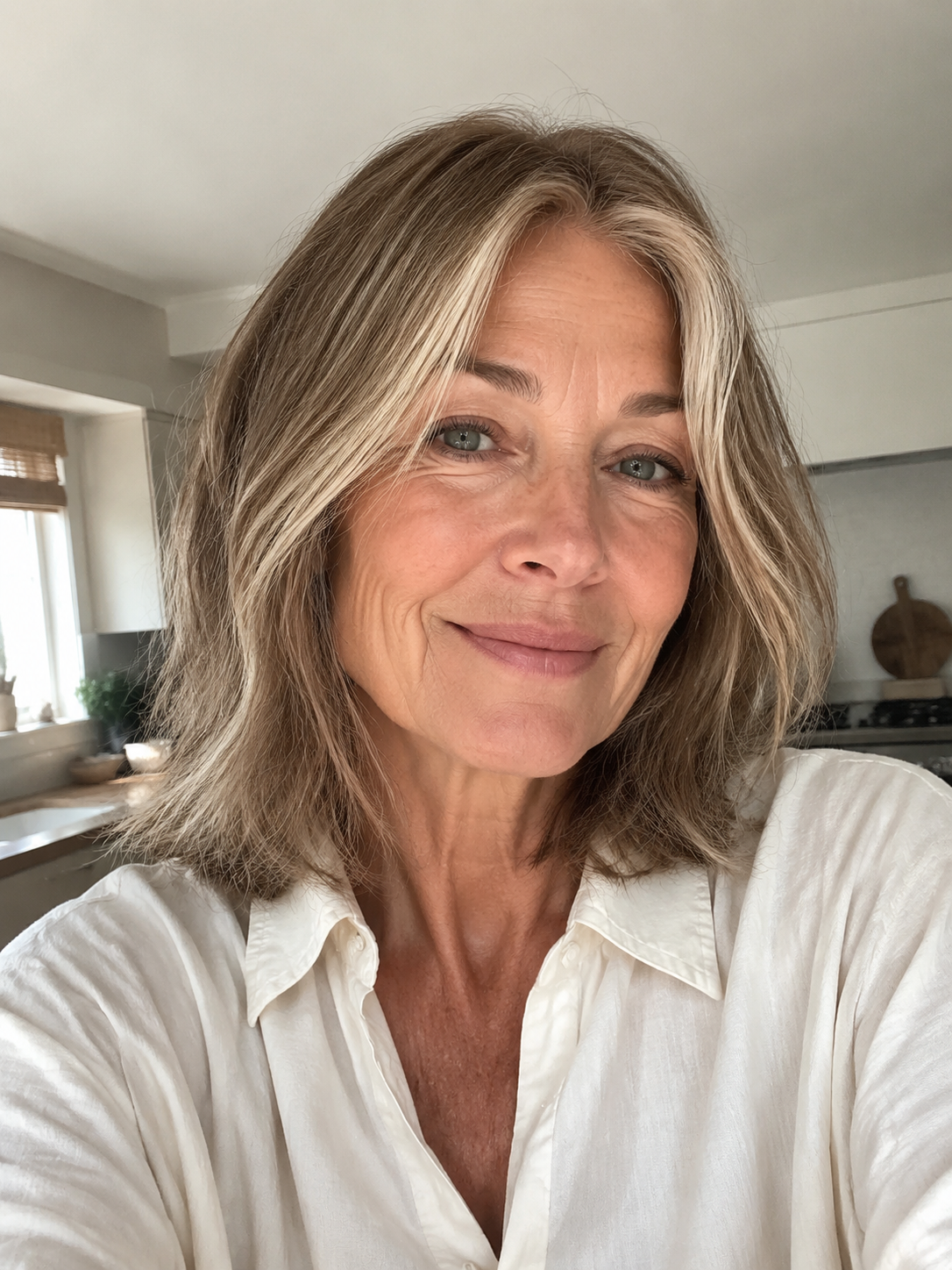
Shoulder-length hair with money piece highlights brightens the front sections around the face, creating dimension at the most visible part of the cut. The contrast tricks the eye into perceiving more density where it matters most. Keep the highlights soft and lived-in rather than stark. A purple shampoo every couple weeks maintains the tone. This works particularly well for women who want length but need visible volume at the face.
A-Line Lob to Shoulders
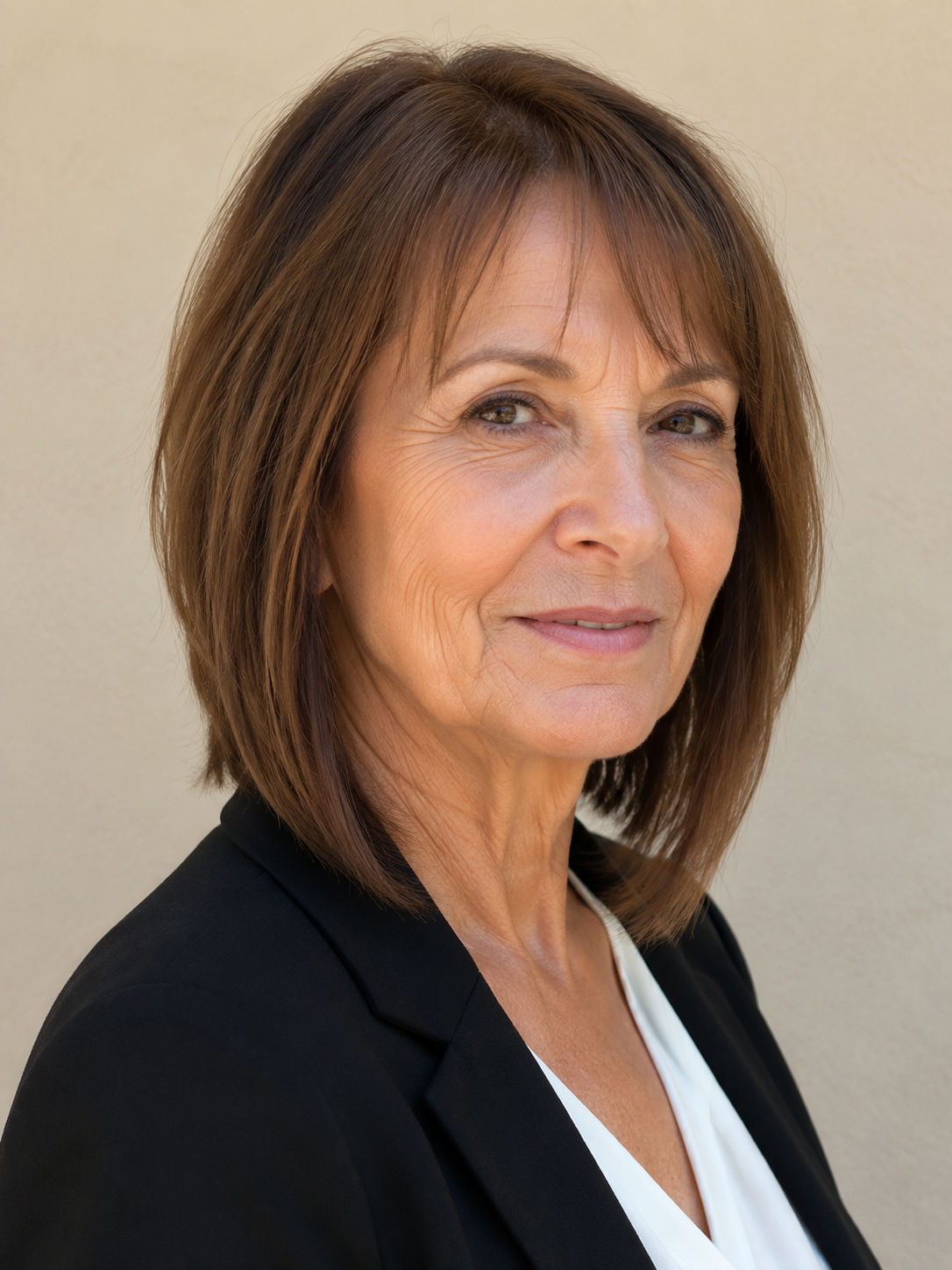
An A-line lob angles from shorter at the back to longer at the front, with the front pieces grazing the shoulder line. The stacked back creates apparent volume at the crown. The angled front frames the face. Style by blowdrying the back with a round brush rolled forward. This shape is one of the most slimming options for women over 50 and naturally builds the volume thin fine hair needs.
Tousled Wavy Bob
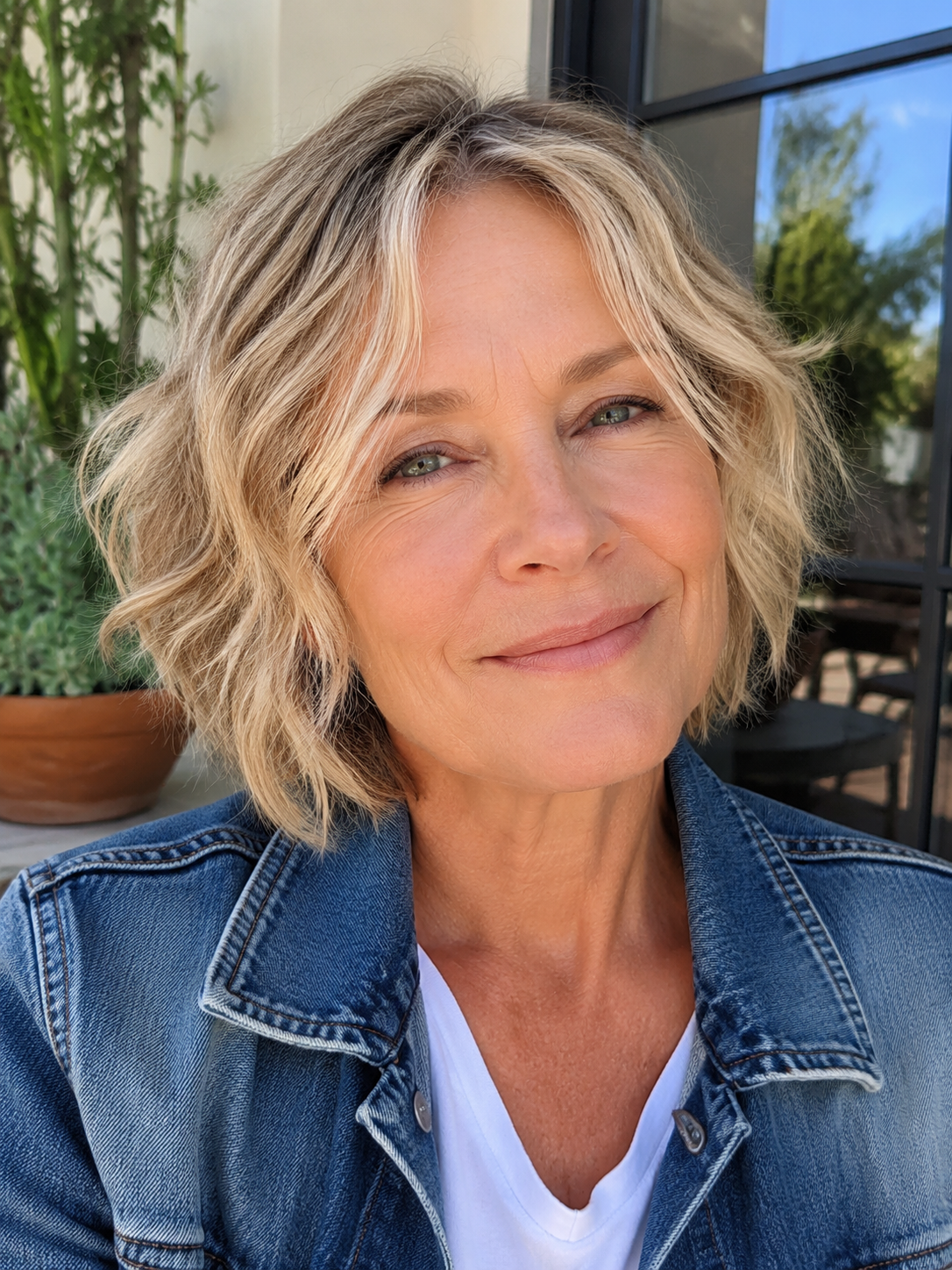
A chin-length bob with tousled sea salt waves builds visual fullness through texture rather than additional length or weight. The waves should be soft and lived-in rather than tightly curled. Style with salt spray scrunched through damp hair and either air-dry or use a diffuser. Add definition to a few face-framing pieces with a curling wand. Best for women willing to invest five to ten minutes in styling.
Pixie With Side-Swept Bangs

A pixie with side-swept bangs angles the bangs from a deep side part across the forehead toward the opposite temple. The diagonal line draws the eye sideways and disguises any thinning at the temples or hairline. Style by blowdrying the bangs with a round brush in the direction of the sweep. Set with a light hairspray. Among the most universally flattering combinations on this list.
Shoulder-Length With Soft Beachy Waves

Soft beachy waves on shoulder-length hair add visual volume and lived-in texture that flatters thinning. The waves should be irregular rather than tightly curled. Use a wand rather than a curling iron and skip every few sections for a natural pattern. Finish with texture spray for hold. Best for women willing to invest 15 minutes in styling regularly and want length without the flat problem.
Asymmetrical Bob

An asymmetrical bob cuts one side longer than the other, with the longer side typically extending past the chin. The uneven lengths create natural movement and visual interest while disguising thinning at the temples. Style by blowdrying the longer side toward the face with a round brush, then tucking the shorter side behind the ear. Trim every five to six weeks to maintain the precise angle.
Layered Lob With Face-Framing Layers

A layered lob with face-framing pieces angling from the cheekbone down creates movement directly around the face. The framing layers draw attention forward and create the illusion of more volume at the most visible part of the cut. Have your stylist start the framing at the cheekbone for the most flattering line. Curl the framing pieces away from the face with a flat iron for shape.
Sleek Chin-Length Blunt Cut

The sleek blunt chin-length cut with no layers and a polished smooth finish concentrates all the visual density at the perimeter. By keeping every strand at one length, the cut maximizes apparent thickness at the bottom. Blowdry with a paddle brush pulling hair taut and directing airflow downward. Finish with a few drops of lightweight shine serum. This version reads professional and refined.
Pixie With Grey Blending Highlights

For women in the grey transition phase, a pixie with grey blending highlights creates dimensional camouflage that disguises both incoming grey and thin density at the same time. The shorter length showcases the dimensional color clearly. Pair with a soft layered pixie body for the most polished result. Refresh every ten weeks. This works specifically for women whose grey coverage is between 30 and 60 percent.
Tapered Pixie

A tapered pixie shortens gradually from the top through the sides and nape, creating clean architectural shape that flatters mature features. The graduation draws the eye through the silhouette rather than to any one sparse area. Style with a leave-in spray and finger combing for a soft finish. Requires consistent maintenance every five weeks to keep the taper sharp.
Shoulder-Length With Side Part

A shoulder-length cut with a deep side part shifts weight to one side, creating instant visible root lift on the heavier side. The lift compensates for the flat crown thin fine hair tends to develop. Backcomb gently at the root closest to the part before settling with a light hairspray. The look reads polished and works for both casual and professional settings.
Choppy Bob With Sliced Layers

A chin-length choppy bob with sliced layers preserves baseline density while creating surface movement. The cutting technique removes minimal weight while breaking up the silhouette. Style by air-drying with a leave-in spray. The technique requires a stylist who works specifically with slicing rather than traditional layering. Best for women who want short but need to keep every strand of density.
Soft Layered Pixie

A soft layered pixie uses gentle graduated layers throughout with no harsh edges. The finish reads polished and feminine rather than edgy or aggressive. Style with a leave-in spray and a soft round brush. This is one of the most universally flattering versions on this list and forgiving for women whose hair has any natural texture or movement.
Shoulder-Length With Highlights and Lowlights

Shoulder-length hair with both highlights and lowlights creates dimensional depth that single-process color cannot achieve. The contrast between lighter and darker pieces tricks the eye into perceiving more density. Keep the tones within the same color family for the most natural result. Refresh every ten to twelve weeks. The technique works on brunette, blonde, and grey-blended bases equally well.
French Pixie

The French pixie blends classic elegance with a modern silhouette, using soft layers that hug the head perfectly. The cut reads sophisticated and Parisian rather than edgy. Style with a lightweight smoothing cream and finger-comb into place. Avoid heavy products. This is the polished version of the modern pixie trend and works particularly well for women in professional settings who want a confident statement without aggressive texture.